
Last updated September 22, 2026
Full 25-point door and opener safety check with every visit - springs, cables, rollers, tracks, and your LiftMaster or Chamberlain opener included
You get a price before we start. It does not change when the truck arrives.

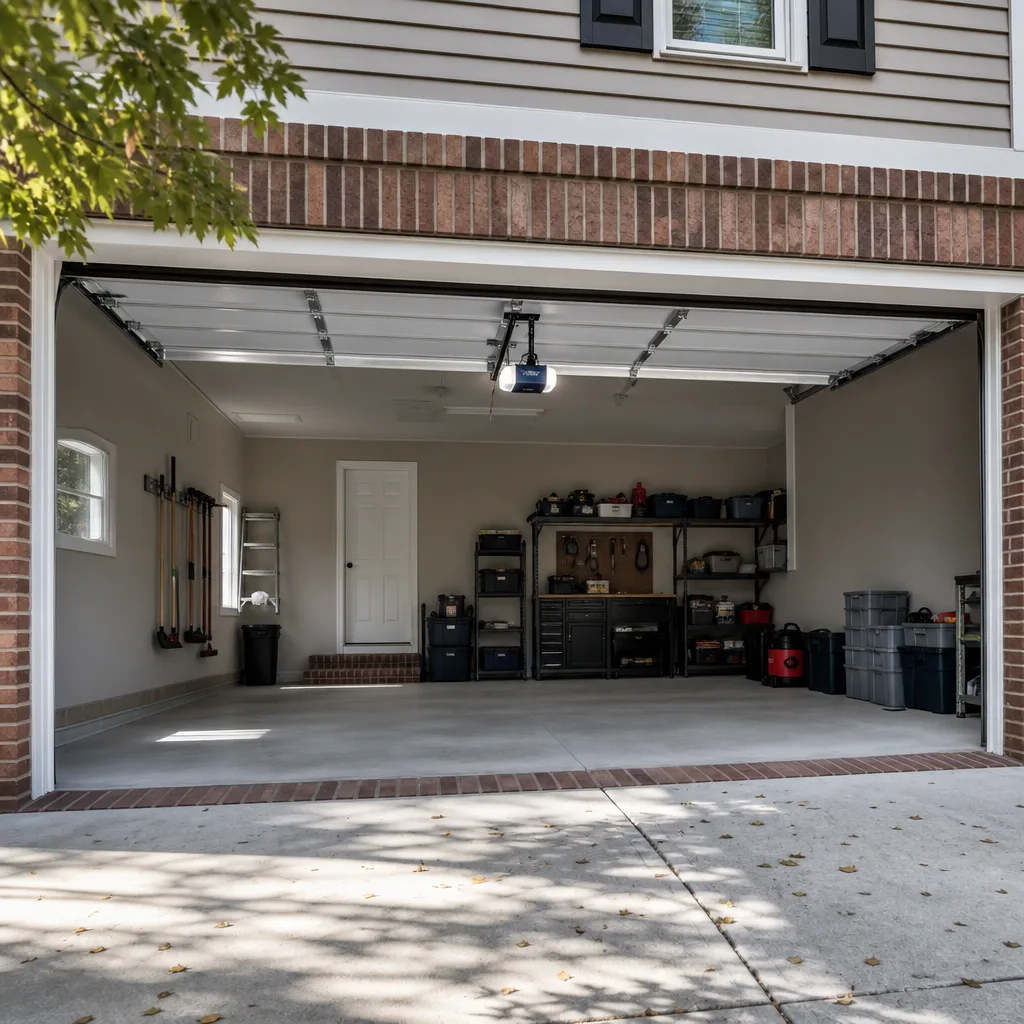
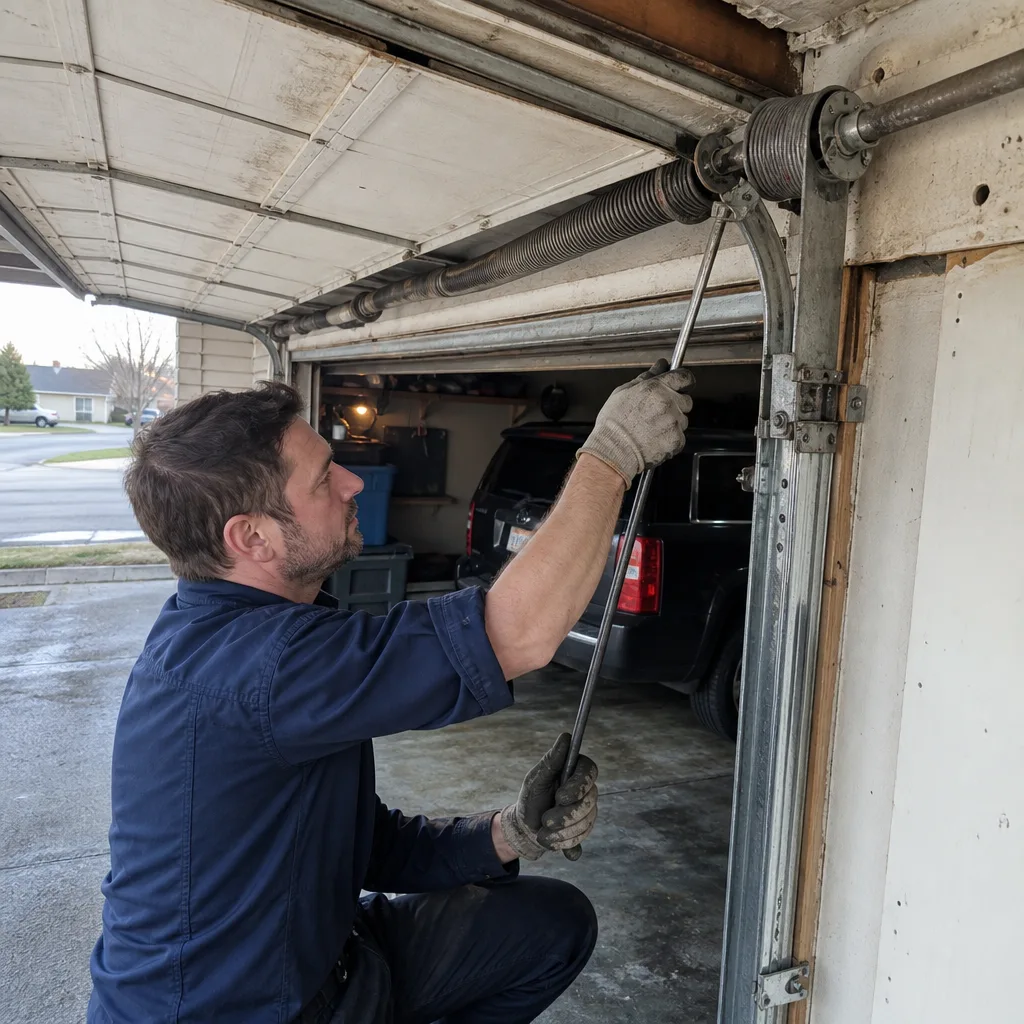 Before
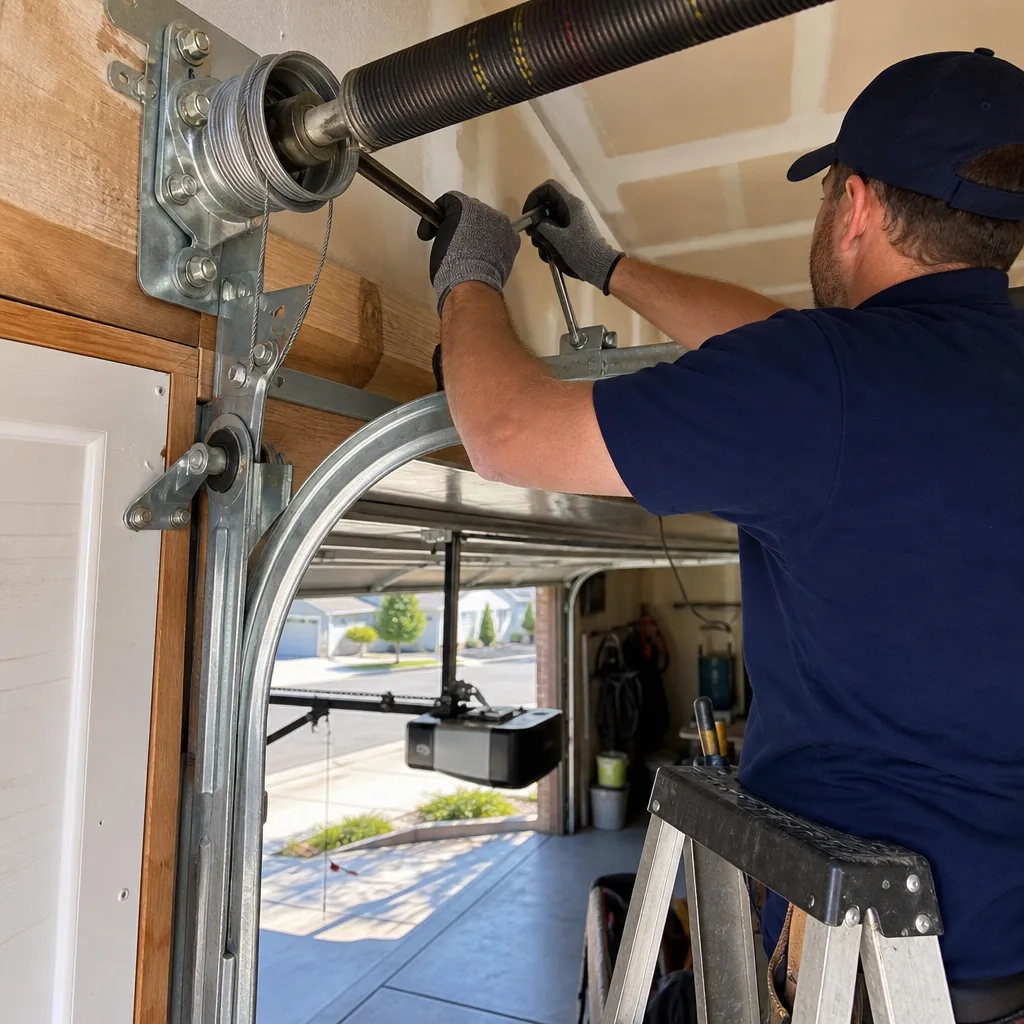 After
After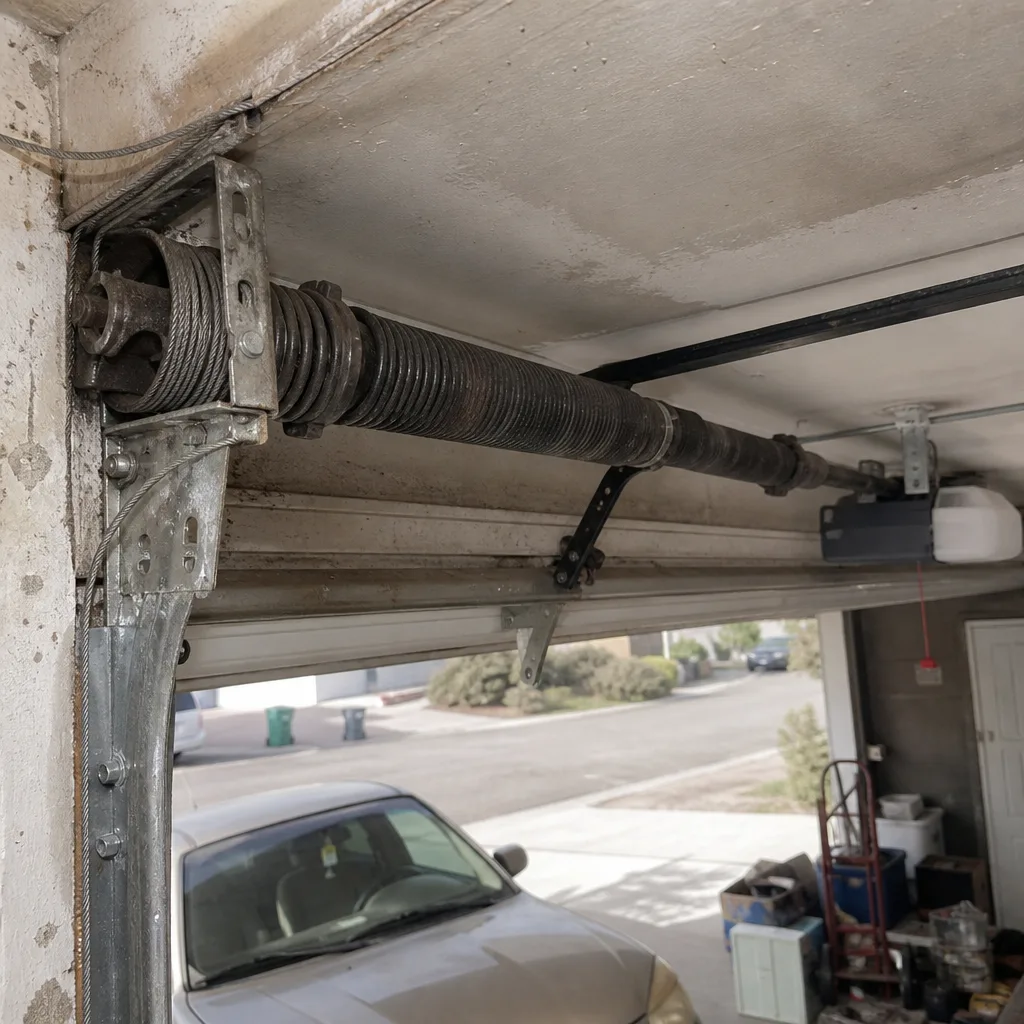 Before
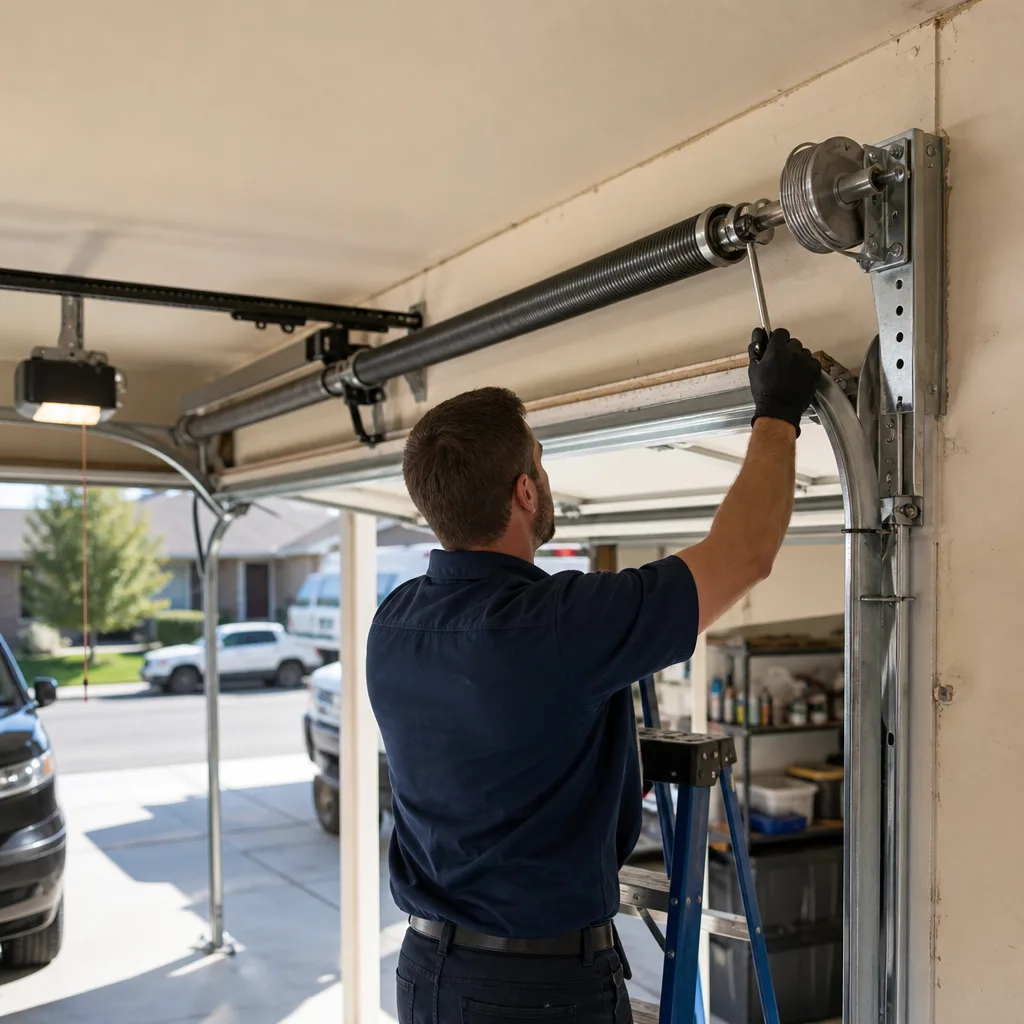 After
After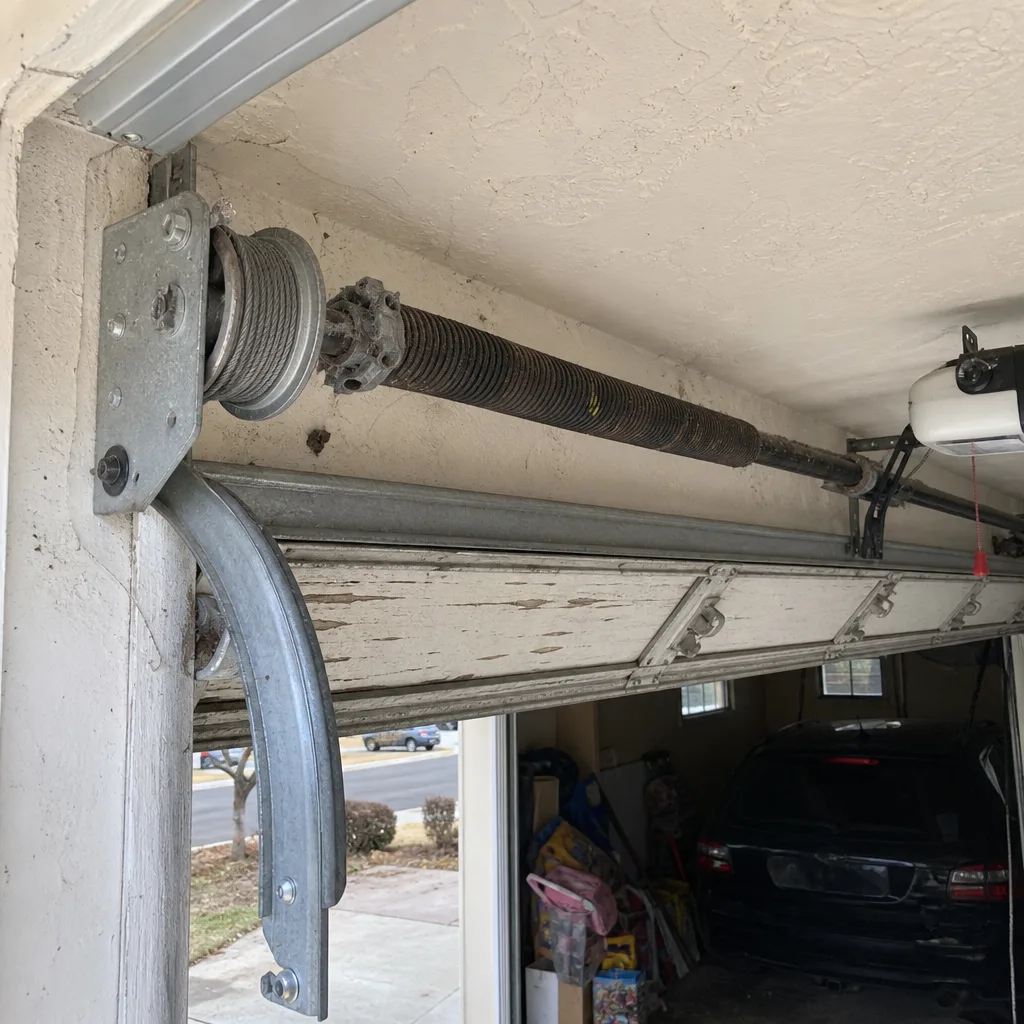 Before
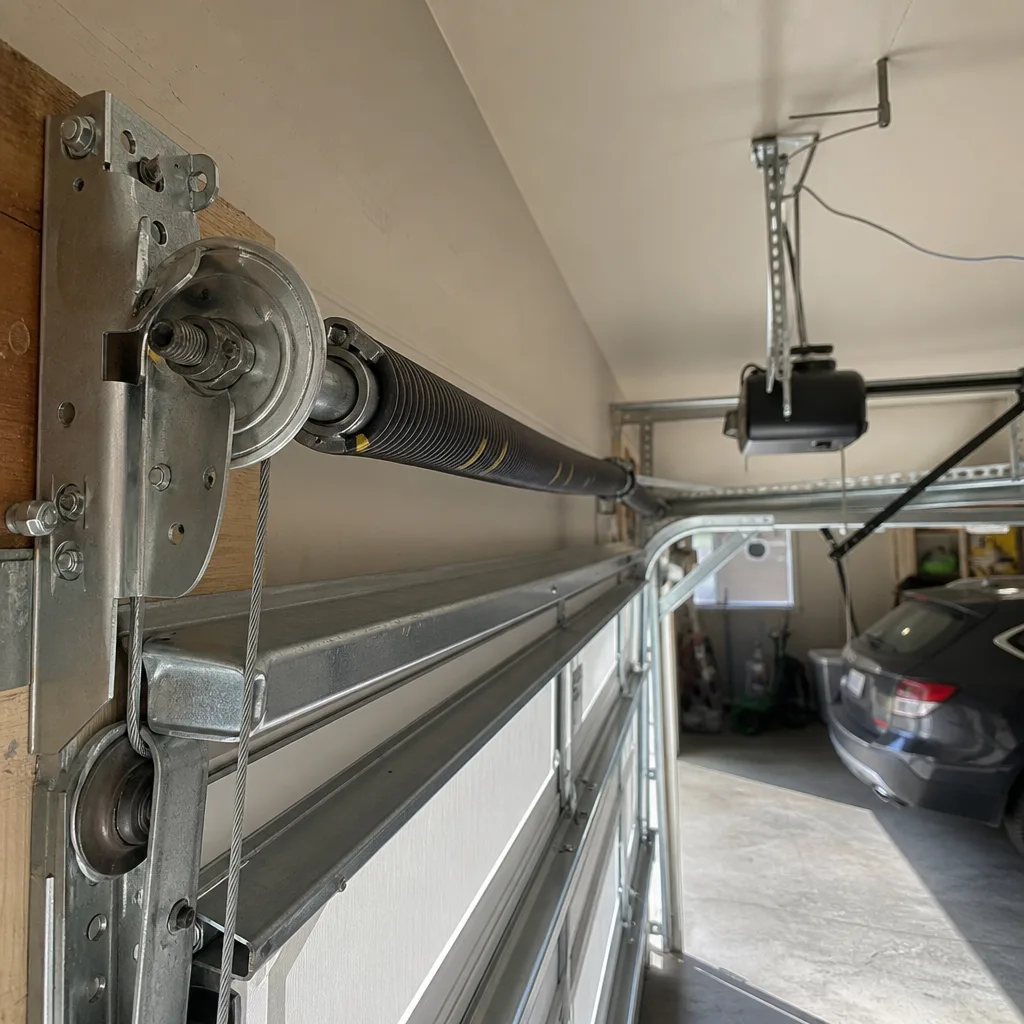 After
AfterGarage Door Repair Maintenance Checklist for Aurora Homeowners
The number-one service call we field in February isn’t a broken torsion spring. It’s a bottom seal that froze to the concrete overnight, then tore clean off when someone backed out for work without looking down. The repair runs $80-$140 in parts and labor. The prevention costs about $4: a silicone spray application on the seal and threshold in mid-October, before the first hard freeze. Aurora’s freeze-thaw cycle, high-altitude UV exposure, and summer monsoon humidity create a failure sequence that generic checklists miss entirely. This guide maps maintenance tasks to the months they actually matter here, explains what to document before any technician arrives, and shows how to read your door’s movement for Garage Door Warning Signs: A Aurora Homeowner’s Reference Guide without touching a wrench.
Quick Answer
Aurora homeowners should perform garage door maintenance on a twelve-month cycle tied to local weather: silicone seal protection before first freeze, hardware inspection after snow load season, track cleaning before monsoon humidity, and panel inspection after hail season. Monthly visual checks and annual professional balancing keep Garage Door Repair services predictable and prevent the emergency calls that spike every February and July in Aurora.
Table of Contents
- Why Aurora’s Climate Destroys Garage Doors in a Specific Order
- Monthly Visual Checks You Can Do in Five Minutes
- October-November: Winter Prep Before the First Hard Freeze
- December-February: Monitoring Through Snow Load and Freeze-Thaw
- March-April: Post-Winter Recovery and Hardware Inspection
- May-June: Pre-Monsoon Track and Seal Preparation
- July-August: Hail Damage Assessment and Insurance Documentation
- September: Annual Professional Service and Balancing
- Common Mistakes to Avoid
- When to Call a Professional
- Frequently Asked Questions
- The Bottom Line
BeforeAfterWhy Aurora’s Climate Destroys Garage Doors in a Specific Order
Generic maintenance guides split the year into “spring” and “fall.” That works in climates with two seasons. Aurora has four distinct damage windows, and they don’t align with the calendar most homeowners expect.
Freeze-thaw concrete heave (November-March): Aurora’s 5,400-foot elevation means colder overnight lows than Denver proper, with more dramatic temperature swings. Concrete expands and contracts at a different rate than the asphalt or gravel adjacent to it. The gap under your bottom seal changes width daily. A seal that was snug in October develops a daylight gap by January, letting in meltwater that refreezes into ice dams. The door then tries to close onto uneven ice, stressing the bottom fixture brackets and the lower panel section.
High-altitude UV embrittlement (year-round, peak June-August): UV intensity increases roughly 6% per 1,000 feet of elevation. Aurora’s vinyl seals, weatherstripping, and plastic opener components receive Denver-level sun damage plus an additional 25-30% dose. PVC bottom seals that last eight years at sea level often crack at five here. The UV also degrades the photoelectric eyes on your safety reversal system, causing intermittent failures that look like electrical problems.
Monsoon humidity and galvanic corrosion (July-August): Aurora’s brief but intense humid periods, with dew points jumping from dry winter levels to 50°F+, create condensation on cold metal surfaces. Galvanized torsion hardware, roller stems, and track brackets that stayed dry all winter now face surface moisture. Petroleum-based lubricants trap this moisture against the metal. We’ve opened track brackets in August that looked fine externally but had begun galvanic corrosion where the lubricant had pooled.
Hail impact fatigue (May-August, peak June): The Front Range hail corridor runs directly through Aurora. Even sub-dent-size hail (under 1 inch) creates micro-fractures in paint and factory coatings on steel panels. Those fractures become rust initiation points within 18-24 months. A door that survived a 2023 hailstorm without visible damage can show panel rust-through by 2025 if the coating was compromised.
Understanding this sequence matters because the right task at the wrong month is wasted effort. Lubricating hardware in March, before the monsoon, means reapplying in June. Inspecting for hail damage in September means any insurance claim is past the typical 12-month filing window most Colorado policies enforce.
Monthly Visual Checks You Can Do in Five Minutes
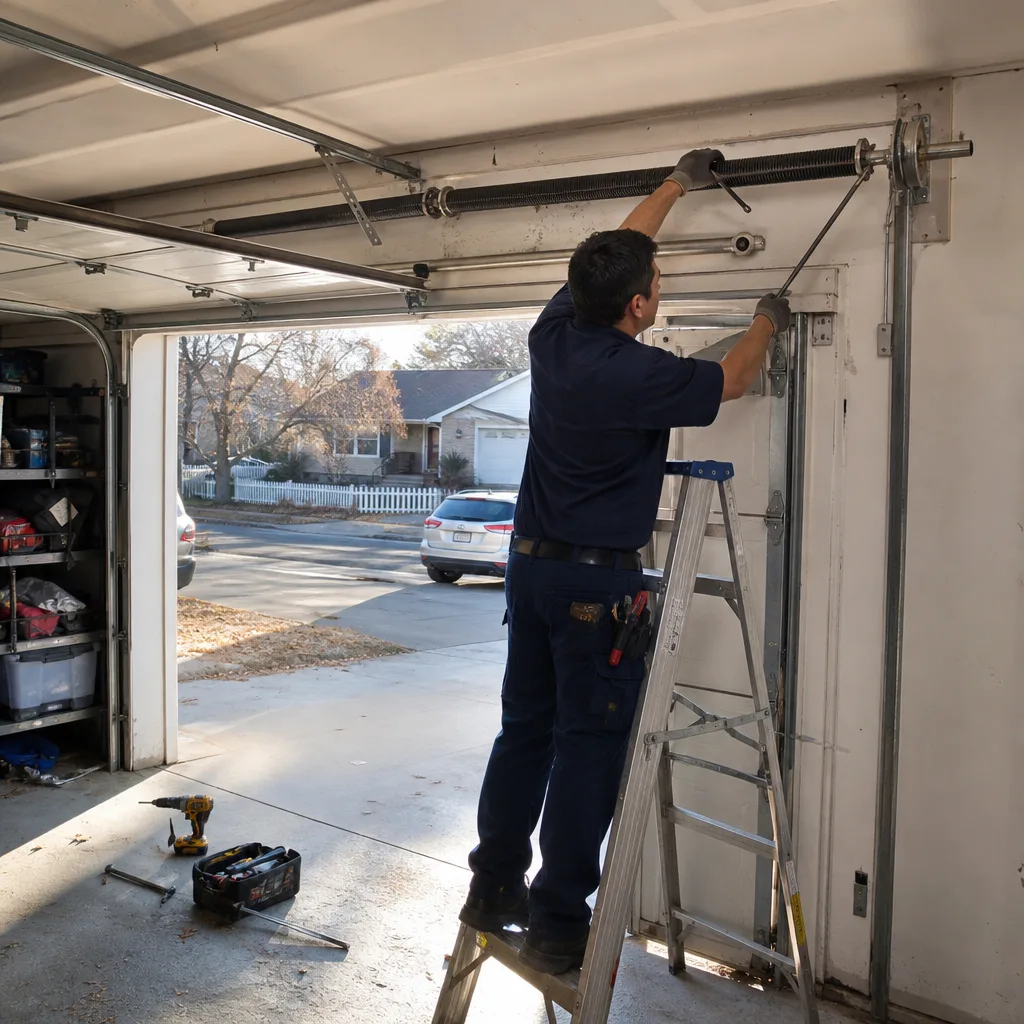
These checks require no tools and touch no high-tension components. Do them on the first Saturday of each month. The goal is establishing a baseline of normal behavior so you notice deviation, not diagnosing failure.
The Three-Point Movement Observation
Stand inside your garage with the door closed. Start the opener and watch the full cycle. You’re observing three variables that map to specific component health:
- Travel speed symmetry: A healthy door accelerates smoothly from the closed position and decelerates evenly before the open stop. If the left side rises faster than the right for the first 12-18 inches, the torsion spring is delivering uneven torque. This often precedes spring failure by 3-6 months in Aurora’s dry climate, where rust jacking on the spring cone can bind one side.
- Reversal force on obstacle test: Place a 2×4 flat on the floor centered under the door path. Close the door. It should reverse on contact. If it reverses before contact, or requires noticeable force to trigger reversal, the force setting or the travel limit switch needs adjustment. In Aurora, we’ve found that temperature-swollen bottom seals can false-trigger early reversal in winter, while UV-degraded safety sensors cause late or no reversal in summer.
- Horizontal track parallelism: From the side, the top roller on each side should enter the horizontal track at the same moment and maintain equal distance from the track’s back edge. A door that “wags” side-to-side in the horizontal run usually has a failing roller bearing or a bent track section from impact.
Monthly Documentation Habit
Photograph the door from the same three angles each month: full exterior face, interior hardware cluster (springs, cables, pulleys), and the bottom seal threshold interface. Date the files. This creates a verifiable baseline. When a technician quotes $400 for “worn cables,” you have dated photos showing whether the fraying appeared suddenly or progressed gradually. For How to Hire a Garage Door Contractor in Aurora: A Step-by-Step Guide, your own documentation extends that paper trail backward in time.
If you observe any change in the three-point test month-over-month, note it in your phone with the date. “Door slower to open, left side lagging, 11/3” is enough. See our more guides & resources for documentation templates. This history transforms a service call from diagnostic time (which you pay for) to targeted repair (which takes less time and carries a firmer quote).
October-November: Winter Prep Before the First Hard Freeze
Aurora’s first hard freeze typically arrives between October 15 and November 7, with elevation-dependent variation. The homes near Cherry Creek State Park at 5,800 feet freeze earlier than those at 5,200 feet near Havana Street. Your prep window is narrow and predictable.
Bottom Seal and Threshold Silicone Application
This is the $4 prevention that eliminates February’s most common emergency call. Clean the seal with a dry rag. Apply silicone spray (not WD-40, not lithium grease) to the full contact face of the vinyl or rubber seal and the concrete threshold it meets. Silicone repels water and won’t attract grit. Petroleum products degrade vinyl and become tacky, collecting sand and salt that abrade the seal face.
In Aurora, road sand and magnesium chloride de-icer accumulate on garage floors from November through March. A tacky lubricant becomes sandpaper. Silicone stays slippery and sheds particulates. Reapply after any floor washing, typically once more in January.
Spring and Cable Visual Inspection (No Touching)
Look at the torsion spring assembly from arm’s length. You’re checking for:
- Gaps between coils in the wound position: a 1/8-inch gap in a spring that was previously coil-tight indicates metal fatigue
- Rust streaks running down from the spring cones onto the tube: moisture intrusion that will freeze and expand
- Frayed cable strands protruding from the wire rope: any visible fraying means replacement, not monitoring
Do not attempt to adjust, lubricate, or handle torsion springs or cables. The stored energy in a standard residential torsion spring can cause serious injury or death if released improperly. This inspection is visual-only. If you see any of the above, call for service before the freeze.
Weatherstripping and Perimeter Seal Check
Close the door on a bright day. Look for daylight penetration at the sides and top. Aurora’s dry winter air shrinks wood trim, and the gap that was sealed in September may be drafty by December. Replace vinyl stop molding if it’s cracked; the material costs $0.80 per foot and prevents the heat loss that causes floor condensation near the door.
For homes in Aurora’s older neighborhoods (original construction 1970s-1990s), check the header seal between the top of the door and the frame. These often lack modern rubber bulb seals and leak significant warm air. A retrofit vinyl bulb seal with aluminum carrier installs with screws and closes this gap permanently.
December-February: Monitoring Through Snow Load and Freeze-Thaw
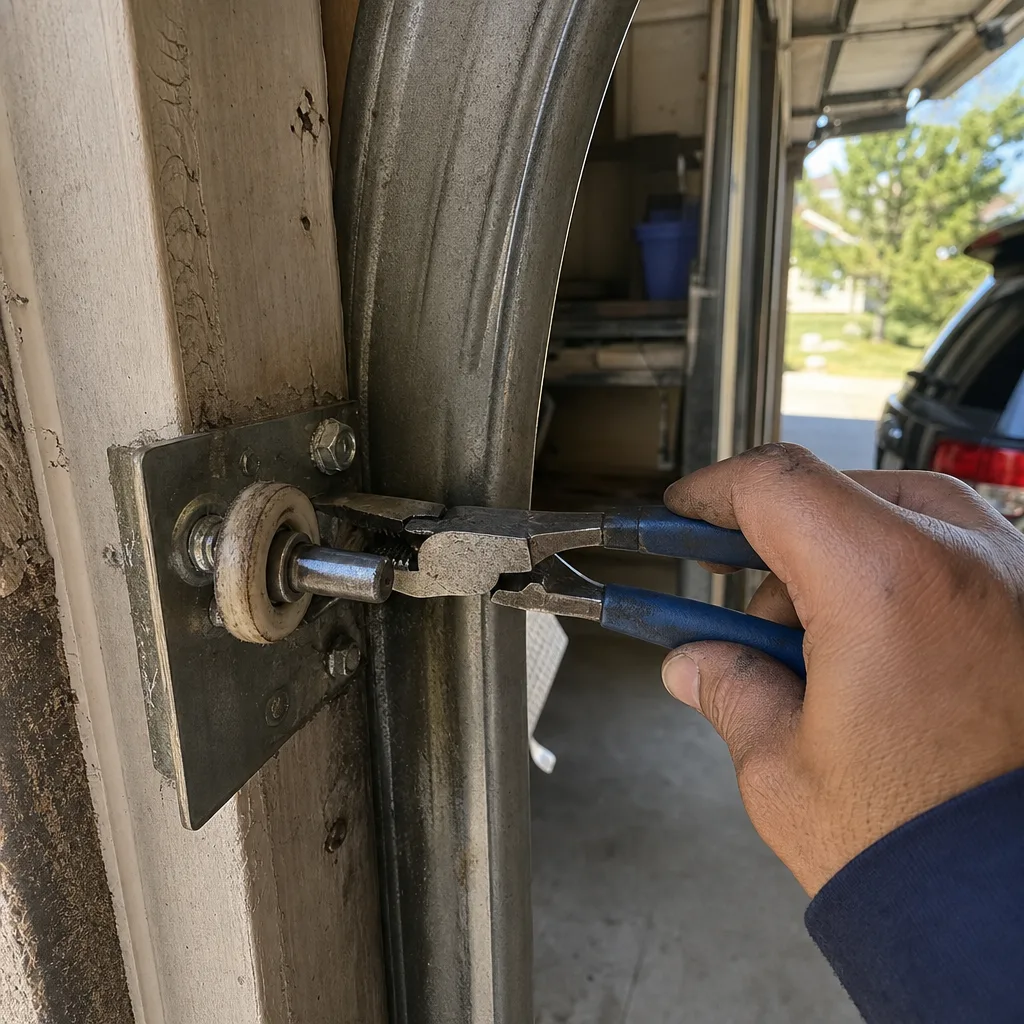
Winter in Aurora is not constant cold. The Front Range experiences Chinook wind events that swing temperatures 40°F in 24 hours. Your garage door hardware experiences thermal shock: steel contracts, aluminum expands, and the dissimilar metals in your hardware cluster move against each other.
What to Watch: Ice Dam Formation
After any snow event followed by partial melt, check the threshold for ice buildup. If the door closed onto wet snow, the meltwater can refreeze under the seal, creating a dam that prevents full closure. The opener then strains against the obstruction, or the safety reversal triggers repeatedly.
If you find ice under the seal, do not force the door. Use a plastic shovel (not metal) to clear the threshold, or apply calcium chloride sparingly. Forcing the opener damages the trolley carriage or strips the nylon gear in the motor head. We’ve replaced more opener drive gears in February than any other month, almost always from ice-related strain.
Opener Force Setting Verification
Cold-stiffened seals and minor ice require slightly more closing force. But too much force overrides the safety system. Test the 2×4 reversal monthly in winter. If the door won’t close without reversing, clear obstructions first. If it still reverses, the issue is likely seal stiffness, not force setting. A service adjustment of the travel limit switch (not the force) usually resolves this. Call for that adjustment rather than self-modifying force settings.
Panel Stress From Snow Drift Weight
Aurora’s wind-driven snow can pile against garage doors, particularly on north-facing doors and homes without windbreaks. Steel panels are not structural elements; they’re thin-gauge skins over an insulation core. Snow load against the exterior can bow panels inward, creasing the steel permanently. We’ve replaced Clopay and Amarr panels in the Saddle Rock and Tallyn’s Reach areas after single storm events where drifts exceeded 18 inches against the door face.
If snow piles against your door, clear it before operating the opener. The motor isn’t designed to lift panel weight plus snow resistance.
March-April: Post-Winter Recovery and Hardware Inspection
March is Aurora’s most mechanically stressful month. Freeze-thaw cycles peak. Road sand and magnesium chloride have accumulated on all moving surfaces. The hardware has operated through temperature extremes. This is when latent damage becomes visible.
Track Cleaning and Hardware Inspection
Clean the vertical and horizontal tracks with a dry cloth first, then a barely-damp rag. Remove all sand and salt residue. Inspect roller wheels: steel rollers show bearing wear as wobble or grinding noise. Nylon rollers show flat spots or cracking. Either condition means replacement. A failed roller derails the door from the track, which usually bends the track and damages two panel sections minimum.
Inspect hinge bolts for looseness. The vibration of winter operation loosens fasteners. Tighten with a socket wrench, but do not overtighten; stripped threads in a pressed-steel hinge require hinge replacement.
Torsion Spring End-of-Life Assessment
Torsion springs in Aurora average 10,000-12,000 cycles with standard galvanized wire. A cycle is one open-close. Two-car families with work-from-home adults average 4-6 cycles daily; single-car households average 2-3. That’s 1,500-2,200 cycles annually. A spring installed in 2018 is approaching its design life in 2025.
Spring failure in March or April is common because the metal has fatigued through winter thermal cycling. The break is usually dramatic: a loud bang, door that won’t lift, or one side hanging lower. But pre-failure indicators exist: the gap-between-coils observation from your monthly checks, slower door travel, or the opener straining audibly.
When a spring fails, both springs should be replaced as a matched pair even if only one broke. Unequal spring age means unequal torque, which twists the door and damages the top section. This is standard practice, not upselling.
Lubrication: The Correct Product and Application
After cleaning, lubricate moving points with a lithium-based garage door lubricant (white lithium grease in spray form). Apply to:
- Roller bearings (not the wheel tread that contacts the track)
- Hinge pivot points
- Bearing plates at each end of the torsion tube
- Lock mechanism, if present
Do not use petroleum-based spray on galvanized hardware in Aurora. The combination of monsoon humidity and residual petroleum accelerates white rust (zinc oxide) on galvanized surfaces. We’ve replaced track brackets in southeast Aurora homes where this corrosion progressed to structural failure within three years of well-intentioned but incorrect lubrication.
May-June: Pre-Monsoon Track and Seal Preparation
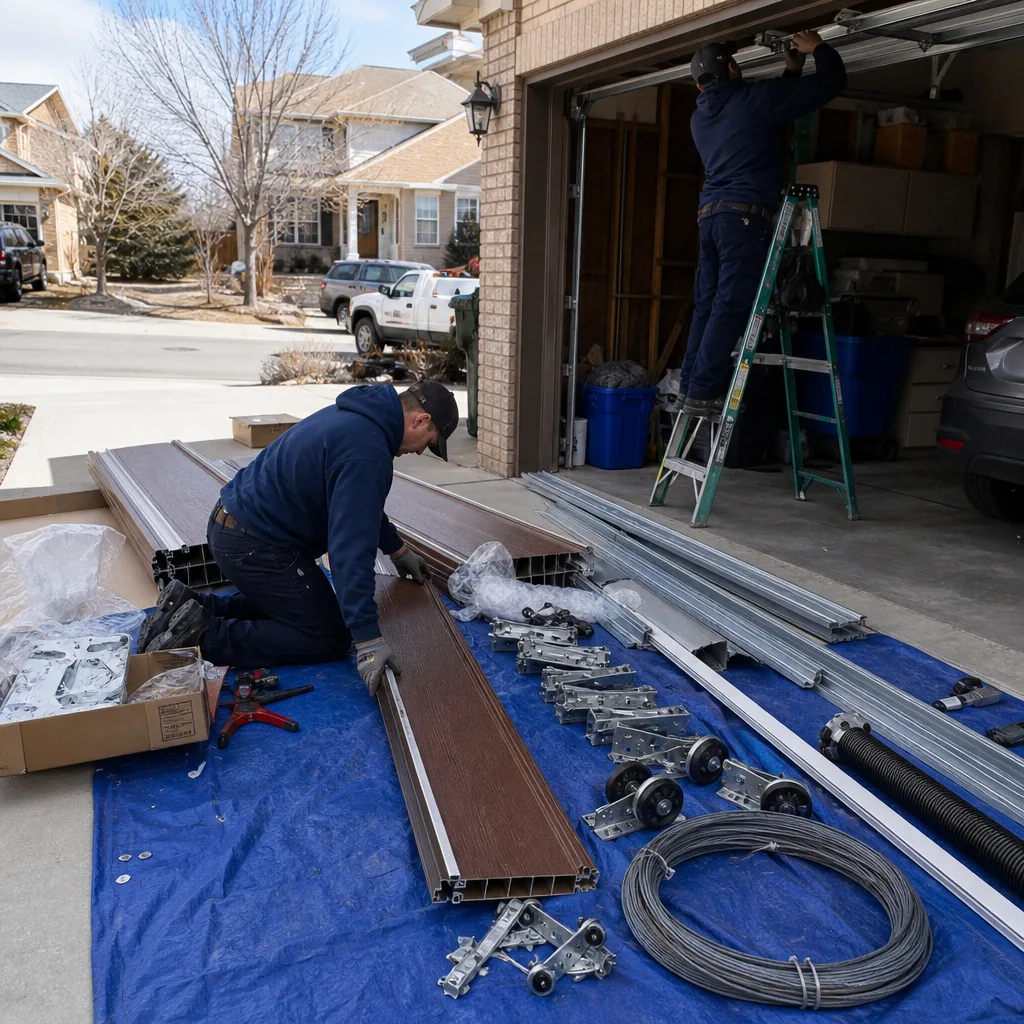
Aurora’s monsoon season arrives abruptly, usually second week of July but with pre-monsoon humidity building in late June. The preparation window is May-June, before humidity peaks.
Seal Replacement If Needed
Inspect the bottom seal for UV cracking, permanent compression set (it no longer springs back to shape), or tears from winter ice. Replace if any of these exist. For Aurora’s UV environment, EPDM rubber outlasts vinyl by roughly 40% and remains flexible to lower temperatures. The material costs $15-$25 for a standard 16-foot door and installs with a simple slide-in retainer.
Check side and top weatherstripping for the same UV degradation. Compressed bulb seals that have flattened to less than half their original diameter no longer seal effectively.
Opener Safety System Test
Monsoon humidity affects photoelectric sensors more than homeowners expect. Condensation on the lens, or spider webs that become conductive when damp, cause false obstruction readings. Clean both sensor lenses with a dry cloth. Verify alignment: both indicator LEDs should be steady (not flickering) when the path is clear.
Test the wall button and each remote. Humidity can corrode remote battery contacts, causing intermittent operation that looks like opener failure. Fresh batteries eliminate this variable before you pay for a service call.
Drainage and Grade Check
Aurora’s intense monsoon rainfall, often 1-2 inches in 30 minutes, overwhelms gutters and grading. Verify that water flows away from your garage door, not toward it. Pooling water against the threshold accelerates seal degradation and can enter the garage if the seal is compromised. Regrade or extend downspouts as needed; this is landscaping, not door service, but it prevents door damage.
July-August: Hail Damage Assessment and Insurance Documentation
The Front Range hail season peaks in June but extends through August. Aurora sits in the highest-frequency hail corridor in North America. Your garage door is the largest, most vulnerable exterior surface on most homes.
The Three-Point Hail Damage Inspection
Perform this inspection within 48 hours of any hail event, while damage is fresh and before rust initiation begins. Document with dated photographs from consistent angles.
- Panel face dimple pattern: Stand at a low angle to the door with the sun behind you. Hail dimples catch light differently than factory texture. On Clopay and Wayne Dalton steel doors, factory embossing is regular and repeating. Hail damage is random in size and placement. Count and photograph dimples per panel. Insurance adjusters need this quantification.
- Paint and coating fracture: Examine dimple centers with a magnifying glass or phone macro lens. Intact paint means the coating flexed without cracking. A visible crack or flake at the dimple center means bare steel is exposed. These points will rust. In Aurora’s low-humidity climate, rust progression is slower than coastal areas, but UV accelerates the degradation of exposed edges.
- Structural deformation: Open and close the door. Binding, popping sounds, or visible panel flex indicate that hail deformed the panel enough to interfere with track clearance. This is functional damage, not cosmetic, and always warrants insurance involvement.
Insurance Claim Viability
Colorado homeowners policies typically require hail claims within 12 months of the event. Document the storm date (check NOAA’s Storm Events Database for confirmation), your inspection date, and photographs. Cosmetic damage without coating fracture may not meet your deductible. Functional damage or coating fracture with rust potential usually does.
We provide free second opinions on any competitor’s hail damage estimate. Bring the paperwork. Clause 1 of The Haven Standard means we quote our own flat, written price for comparison, not a verbal “we’ll beat it.”
September: Annual Professional Service and Balancing
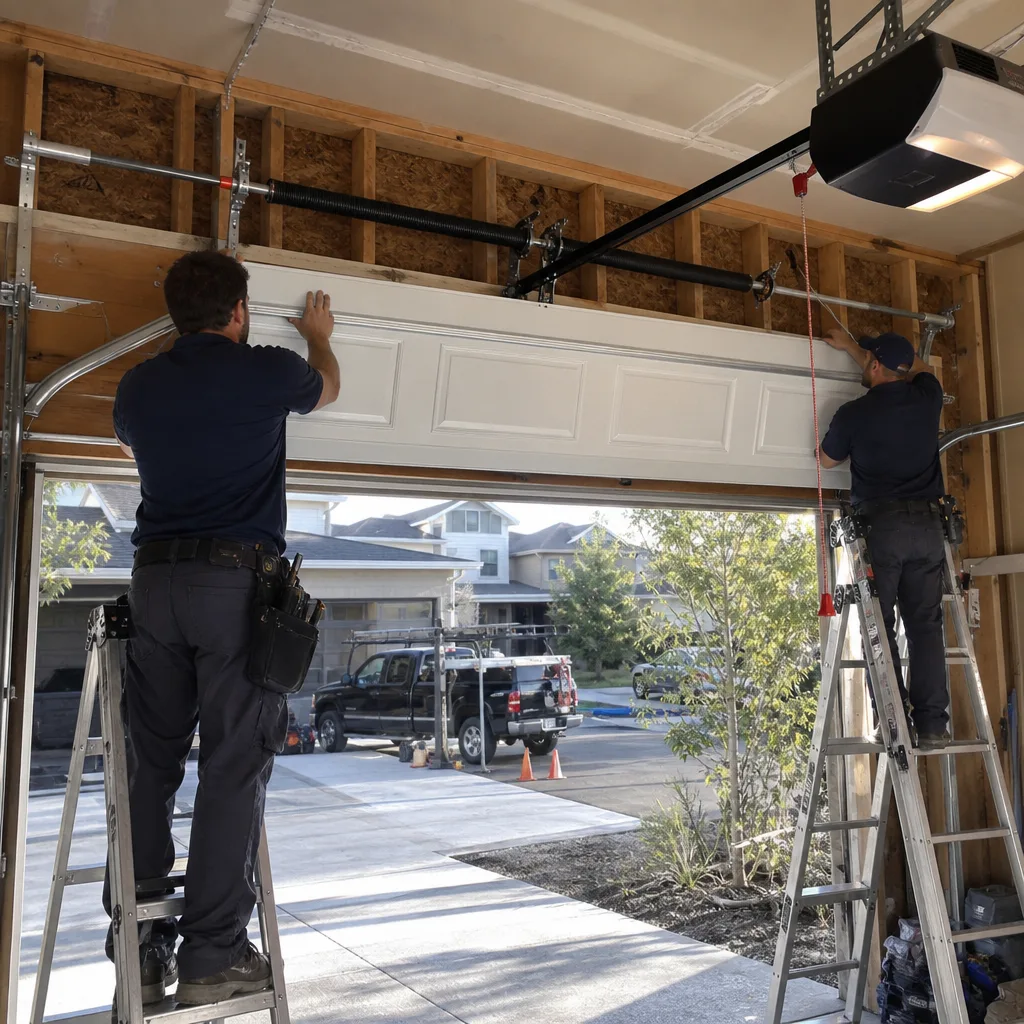
September is the optimal month for professional service in Aurora. The door has survived winter, spring, and summer stress. Issues are visible but haven’t been aggravated by another freeze cycle. Scheduling is easier than spring or winter peaks.
What Professional Service Includes
A qualified technician performs tasks that require tools and training:
- Torsion spring tension measurement and door balance verification: a properly balanced door stays at any position when disconnected from the opener and moved manually to mid-travel
- Cable tension equalization and drum set adjustment
- Track alignment with vertical and horizontal level verification
- Opener force and limit switch calibration with certified test equipment
- Safety reversal system testing per UL 325 standards
- Hardware torque specification check: hinge bolts, track bracket bolts, bearing plate bolts to manufacturer spec
At Servo Garage Doors Aurora, every annual service closes with a documented photo record delivered to the customer: the spring condition, cable condition, hardware torque verification, and safety test results. This is included, not optional, tracing to the founding rule that the customer sees evidence of what was found before anyone quotes replacement.
The 365-Day Done Right Promise
If any component we service fails within 365 days due to workmanship or material defect, we make it right. This is backed by The Haven Standard and a terms page, not a handshake. The promise applies to our work, not to new damage from impact, weather events, or operator error.
Garage Door Repair in Aurora includes full diagnostic, written quote, and the documented record on every visit.
Common Mistakes to Avoid
- Using WD-40 on garage door components. WD-40 is a water displacer and light solvent, not a lubricant. It strips existing grease, attracts dust, and evaporates within days. In Aurora’s sandy winter environment, WD-40ed tracks become grinding paste.
- Ignoring the 2×4 reversal test because “it worked last year.” Safety systems degrade gradually. Photoelectric eyes drift out of alignment from vibration. Force settings change as springs age. The test takes 30 seconds and prevents injury or property damage.
- Applying silicone to the torsion spring. Some guides recommend lubricating the spring itself. This is incorrect for galvanized springs in Aurora’s climate. The lubricant traps moisture against the wire, accelerating fatigue corrosion. Springs are designed to operate dry.
- Filing an insurance claim for cosmetic hail dimples without coating fracture. The claim goes on your record, may raise premiums, and the repair often costs less than the deductible. Inspect for coating fracture first; photograph only damage with exposed steel or functional impairment.
- Adjusting opener force settings without understanding travel limits. Homeowners often increase force when the real issue is a travel limit set too far, causing the door to bottom out. Excess force damages the door and overrides safety protection. Force and limit are separate adjustments requiring different test procedures.
- Replacing only one broken torsion spring. Matched spring pairs age similarly. One new spring with one old spring delivers uneven torque, twisting the door and damaging the top section. Always replace torsion springs as a pair.
- Waiting for total failure before calling. The monthly visual checks described above identify degradation 3-6 months before failure. Emergency service in February or July costs more and waits longer than scheduled maintenance in September.
When to Call a Professional
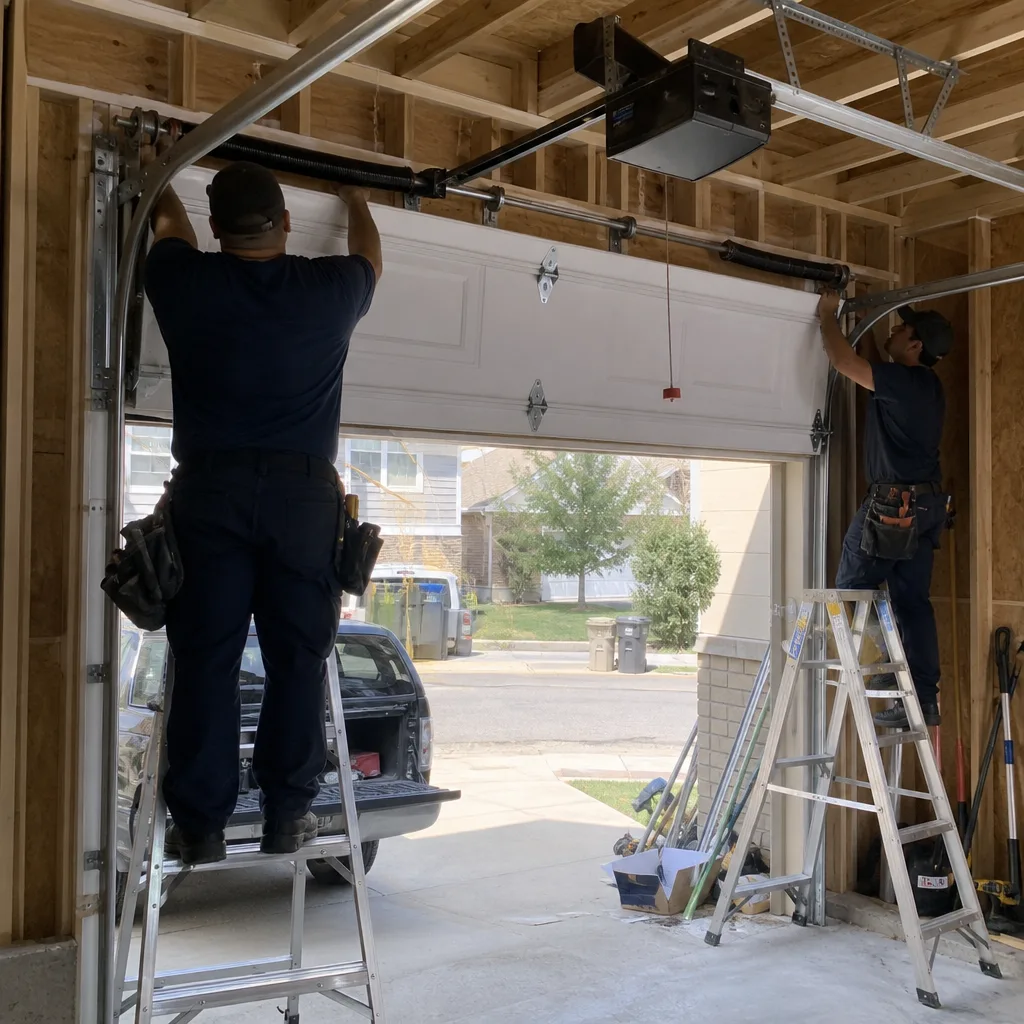
Call for service when you observe any of the following: visible cable fraying, torsion spring gaps or rust streaks, door that won’t stay at mid-travel when disconnected from the opener, binding or popping in the track, opener that reverses repeatedly without obstruction, or any hail damage with coating fracture or functional impairment. Do not attempt to adjust, repair, or release torsion spring tension yourself. The stored energy is lethal if mishandled.
Servo Garage Doors Aurora offers free estimates in Aurora. A technician arrives with a written price and scope before any work starts, per Clause 1 of The Haven Standard. Call (720) 477-6050 to schedule. For new door needs, see our Garage Door Installation in Aurora page. Opener issues are covered at Garage Door Opener Repair & Installation in Aurora.
Frequently Asked Questions
Professional annual service in Aurora typically runs $120-$180 for a standard residential door, including balance check, safety system verification, hardware torque, and lubrication. DIY maintenance supplies (silicone spray, lithium grease, replacement seal if needed) cost $25-$45 annually. The $4 October silicone application prevents the $80-$140 bottom seal replacement that follows freeze-tear damage. Call (720) 477-6050 for an exact quote on your door - estimates are free.
Homeowners can safely perform monthly visual checks, track cleaning, weatherstripping inspection, seal replacement, and the 2×4 safety reversal test. Tasks involving torsion springs, cables, opener force calibration, or track alignment require training and tools. The danger of improper spring handling outweighs any cost savings. Document what you observe and call for professional service on any component you’re unsure about.
Once annually, ideally in September before the stress of winter. Doors with heavy use (more than 6 cycles daily), older doors (15+ years), or doors that have experienced hail impact should be inspected twice yearly. Our 18,000+ service calls since 2015 show that annually-serviced doors average 40% fewer emergency calls than doors with no maintenance record.
No. At Servo Garage Doors Aurora, the price is quoted and agreed before any work starts, always, per Clause 1 of The Haven Standard. The technician diagnoses, photographs findings, and provides a flat, written price and scope. You approve it or decline it. No surprises, no escalating invoices. This applies to every job, including Servo Garage Doors Aurora home service calls.
Cold-stiffened seals, contracted metal components, and thickened residual lubricant increase friction. The noise usually localizes to roller bearings or hinge pivots. If lubrication in March doesn’t resolve it by May, the noise indicates mechanical wear, not just temperature effect. Schedule inspection before the wear progresses to failure.
Yes. Our technicians stock hardware, rollers, cables, seals, and opener components for LiftMaster, Chamberlain, Genie, Clopay, Amarr, Wayne Dalton, Craftsman, and Raynor. Torsion springs are measured and wound to specification on site; we don’t guess spring size. If your door or opener is a less common brand, we confirm parts availability when you call so the first trip completes the repair.
Photograph the door face from consistent angles within 48 hours of the storm. Use raking light (low sun angle) to reveal dimple patterns. Count dimples per panel. Macro-photograph any paint fracture at dimple centers. Record the storm date from NOAA verification. This documentation makes your claim verifiable and prevents disputes about whether damage is storm-related or pre-existing. We include hail damage assessment in our free second opinion on any competitor’s estimate.
The Bottom Line
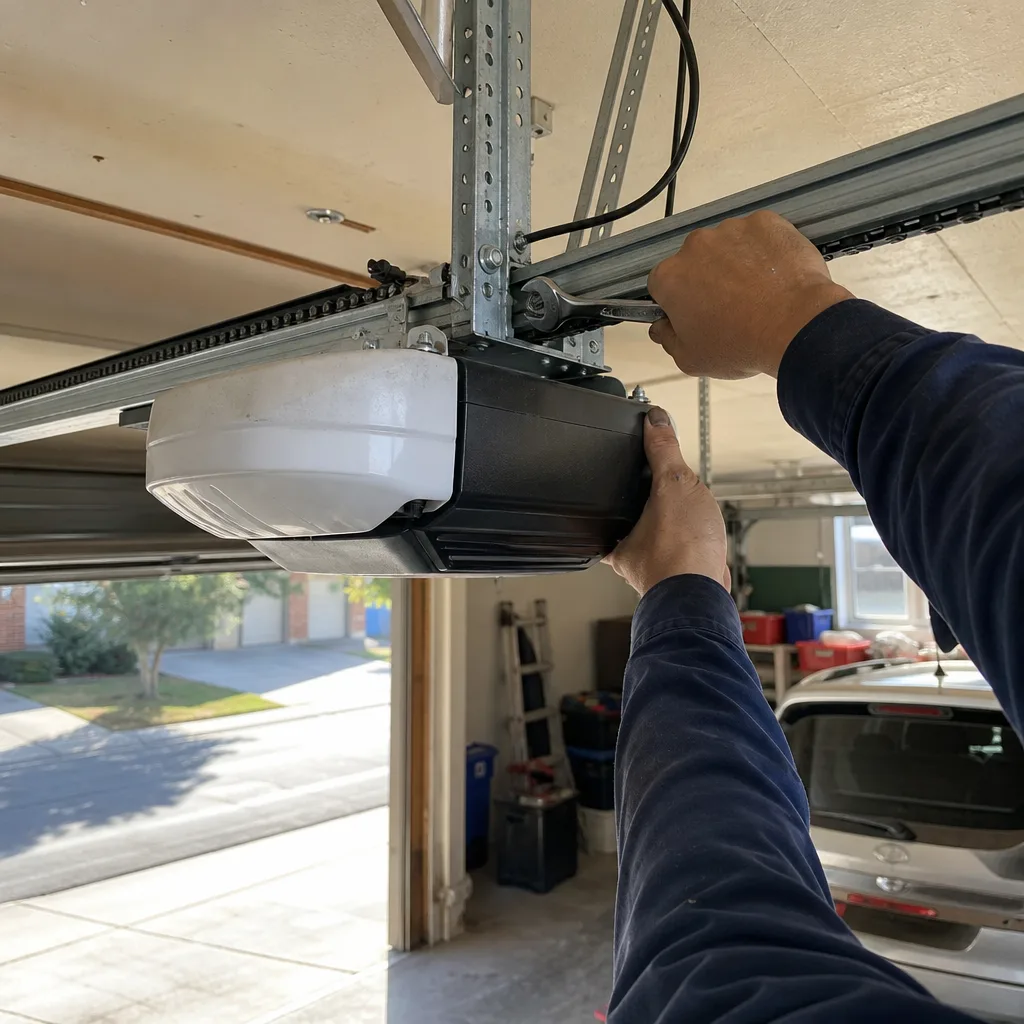
Aurora’s climate creates a predictable failure sequence: freeze-thaw seal damage in winter, UV embrittlement year-round, monsoon corrosion in summer, hail impact fatigue in storm season. A generic “spring and fall” checklist misses these triggers. The maintenance calendar in this guide maps each task to the month it prevents the next failure mode. Monthly five-minute visual checks establish the baseline that makes professional service efficient and quotes verifiable. The $4 October silicone application, the March track cleaning with correct lubricant selection, and the post-hail documentation protocol are Aurora-specific practices that generic guides don’t include. Professional annual service in September, with documented photo records and flat upfront pricing, completes the cycle. The goal isn’t a perfect door; it’s a door whose condition you can verify, whose repair costs you can predict, and whose service calls happen on your schedule, not as emergencies in February.
Written by Marcus Deller, Owner at Servo Garage Doors Aurora, serving Aurora since 2015.